Sinopsis
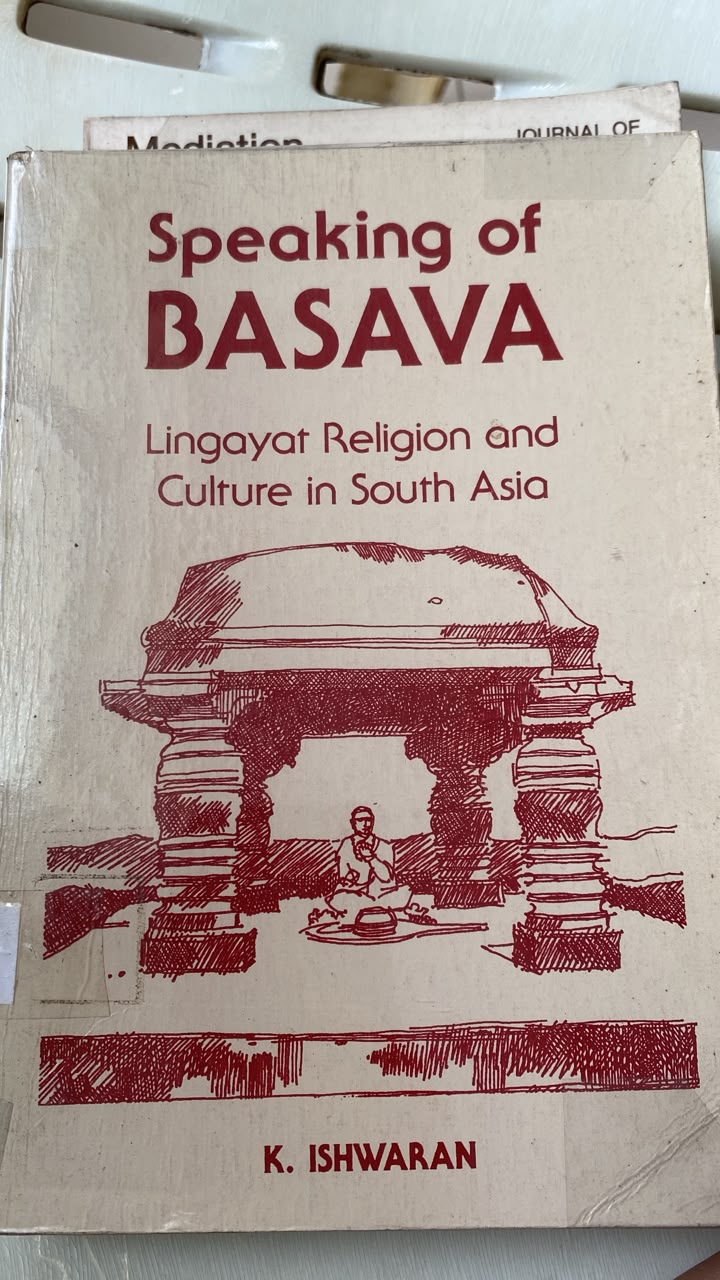
The book provides a comprehensive sociological and historical evaluation of Lingayatism (also known as Vīraśaivism), a religious movement with millions of followers, primarily based in the Indian state of Karnataka. Key themes and arguments explored by Ishwaran include:The Role of Basava: Ishwaran frames Basava as an "emissary prophet" who emerged in the 12th century. He highlights Basava’s role in leading a socio-religious crusade against the rigid, Brahman-dominated social structures of medieval South India. Challenging Traditional Narratives: A central argument of the book is that Lingayatism should not be viewed merely as a linear descendant or a subset of the broader Hindu tradition. Instead, Ishwaran emphasizes the "revolutionary thrust" of the movement, which introduced radical innovations in response to the social inequalities and economic subordination of the masses at that time. Socio-Cultural Analysis: As a professor of sociology, Ishwaran applies a sociological lens to the religious culture of the Lingayats, examining how the movement sought to reorganize society, challenge caste-based hierarchies, and empower the common people through its unique theological and social framework.